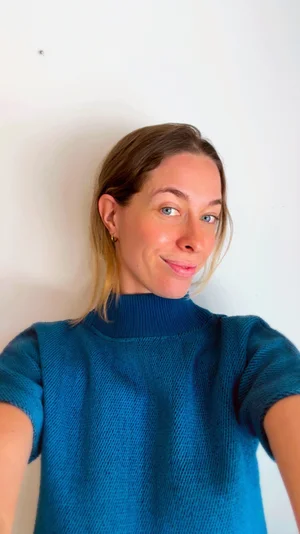
A conversation with Rebecca about thoughtful design, the artisans behind her collections, and building a business on her own terms.
HOW WE MET: A DAY AT THE POUND RIDGE FLEA
Some of the best stories begin when you're simply out exploring.
We first met Rebecca at the Pound Ridge Flea, where we spent the day wandering through the market, meeting independent designers and artisans, and spontaneously interviewing the creative people behind the tables, just for fun.
BEFORE WE BEGIN
Your Name: Rebcca Bannon
Brand Name: Assortment Studio
Website: www.assortment-studio.com
Instagram / Social Handles: @assortment_studio
Where are you based? All the magic happens at my house in New Paltz, NY.
A fun fact about you: I have an obsession with Ramen. And I finally nailed home made sourdough.
THE STORY BEHIND ASSORTMENT STUDIO
1. What inspired you to start Assortment Studio?
Take us back to the beginning. What inspired you to build the brand, and what did you want to bring into the world that felt missing or worth exploring?
I’ve spent the better part of the last 20 years designing and developing accessories collections for big brands and licensing companies, working within the typical corporate machine of over-sampling, wasted time, and wasted energy. It was a really fun career at first, but over the years, it became more about pleasing buyers who ultimately placed safe orders: boring black and brown versions of the fun, modern designs my teams were trying to bring to market.
Through those years, I held on to samples that had been dropped from collections and built a stash of design elements I loved and hoped to use someday if I ever had the time to create my own collection.
What started as a little side hustle while working remotely during the pandemic has grown into what is now Assortment Studio.
I was struggling to find accessories I actually wanted to wear. I was designing huge handbag collections for the companies I worked for, but I didn’t even want to carry the products I was making. The designs were often dictated by merchandising teams, and I wanted something different: beautifully and simply designed, well-made, affordable handbags.
So many bags at that time had too much hardware or were made from so-called vegan leather, but lacked the quality, craftsmanship, and affordability I was looking for. I wanted to create thoughtfully designed products with great proportions, good materials, and the kind of details that make something feel special without making it unnecessarily expensive.
2. Why the name Assortment Studio, and how would you describe the world you’re creating?
Tell us the story behind the name, the woman you design for, and the feeling you hope people experience when they discover your work.
I recently rebranded from Per Lei New York to Assortment Studio. I love the simplicity of the word assortment. It speaks to the kind of design I’m drawn to: great construction, thoughtful details, and straight to the point.
The rebrand was also about making room for growth. Per Lei translates to “for her” in Italian, and when I started the brand, I was focused on designing accessories for women because that was the world I was in at the time. But as I grew the business and started doing in-person markets and events, I realized that it wasn’t just women who connected with my work.
I’ve always had a somewhat androgynous sensibility as a designer. I tend to think about shape and proportion almost sculpturally, rather than designing something that’s just a bag, a shoe, or a hat. I want to create products that can be worn and enjoyed by anyone.
A lot of what I do leans a little feminine, but plenty of people are cool with that! Assortment Studio allows me to explore and grow into other categories without being tied to a brand name that defines who the products are for.
I want my designs to solve problems while making you look good and feel confident. A bag that holds exactly what you need for the Day, the perfect toe shape for a boot, or a hat that works proportionally with your face.
Quality and small details matter to me. The way a seam is folded and stitched, the shape of a tab, the length of a shoulder strap. I can get a little obsessive about these things because they matter! I can’t stand when tote bag straps are too short to fit over your shoulder when you’re wearing a jacket. It drives me nuts.
But the main thing I’ve been focusing on is price. Everything feels so expensive right now, and most people simply can’t justify spending more than $500 on something that isn’t a necessity. I want to create a collection that feels luxurious without requiring a financial commitment.
Treating yourself doesn’t have to be that expensive. You should be able to own something beautifully made and designed without having to pay it off over several months. That’s the balance I’m always trying to create: great design, quality, and accessible pricing.
3. What influences your creative point of view?
Tell us about the people, places, art, culture, travel, or everyday objects that shape your aesthetic. What inspires your designs, and how do you translate those influences into something distinctly your own?
I have a BFA in sculpture, and I’ve always been influenced by three-dimensional objects and spatial relationships. I think that perspective has carried through into my design career.
Without name-dropping too much, artists like Brancusi, Giacometti, and Isamu Noguchi feel like my people. I love how they play with proportion and form. Mark Rothko’s use of color is another influence, and filmmaker Wes Anderson always has such beautiful color stories. I love a good muted palette. I recently saw an Agnes Martin exhibition at Dia Beacon, which made me excited to explore silk scarves with similar patterns.
This is total dork stuff, but I think about the proportion of a boot shaft to its heel height or the spread of the handles on a tote. I’m inspired by mid-century color combos, wood stains, well-worn vegetable-tanned leather, a good brass belt buckle, heritage leather brands, vintage steamer trunks, braided and woven details, patinated metal, welded edges, and Japanese joinery. Basically, well-made old stuff.
Travel has also been a big part of my life. If I didn’t need to make money, I’d be on the road in a Winnebago exploring state parks, in a boat chugging along the canals of England, or sailing toward the Bermuda Triangle.
My design career started in Italy, then took me to China and India, and now to Mexico. Each country has left its mark on how I approach product development (and on the types of food I’m obsessed with!). Italy taught me to appreciate fine leathers and details, China showed me the importance of precision and quick turnaround, and India for its beautiful and intricate woven leather techniques and embroidery. And these days I’m exploring Mexico’s naturally dyed, vibrant colors and intricate palm-weaving craftsmanship. After such a positive experience so far, I’m also looking to Mexico for my next leather collection.
THE ART OF THE HAT
4. What drew you to hats, and what inspires the designs you create?
What fascinates you about hats as both a functional accessory and a form of self-expression? Tell us about the shapes, materials, silhouettes, or references that influence your collections.
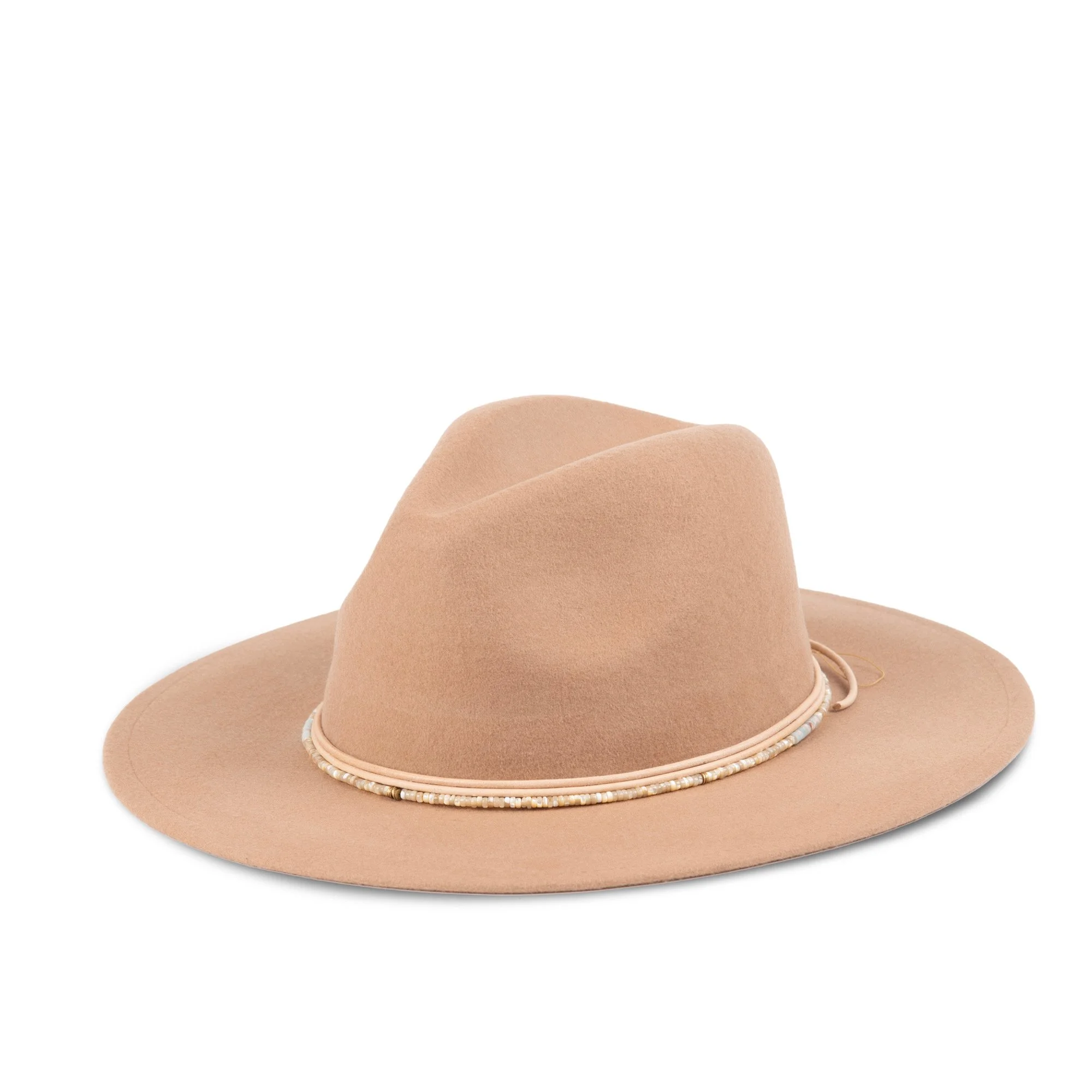
The hat collection started with a wool fedora my husband bought me to wear on cold morning dog walks. For months, I kept saying, “I need to find out where this hat was made. I have to make these to sell!” Eventually, that turned into a sourcing obsession.
I feel like a hat can change your entire day, outfit, or vibe. The right brim size can complement your face shape, and the right color can make your eyes pop. It’s such a simple accessory, but it can completely transform how someone looks and feels.
The first few hats I added to my collection were pretty basic. As I’ve gained more experience, I’ve learned how to write better specifications for my hatmakers and communicate my ideas with more confidence. I still rely on their expertise to tell me whether something is possible or too expensive to produce, and that collaboration is an important part of the process.
Hats also came into my collection at a time when I needed something new creatively. I’ve been designing handbags for so long that, sometimes, it can feel a little less exciting. I wanted a new outlet and something new to learn. And honestly, hats are just fun!
7. What fascinates you about hats as both a functional accessory and a form of self-expression? Tell us about the shapes, materials, silhouettes, or references that influence your collections.
I’m sure this resonates with a lot of people who grew up going to church, but my grandma had the most amazing collection of hats for Sunday service. I have family in Colorado who don’t leave the house without a hat, and my older sister has one for every occasion. The hat finishes the outfit.
Hats are worn across cultures and can tell a story about a person’s time, religion, profession, age, or musical preferences. It’s like how you can read someone by their footwear. That’s what I love most about accessories: they tell a story before you even speak to someone. Sometimes, they are a good warning!
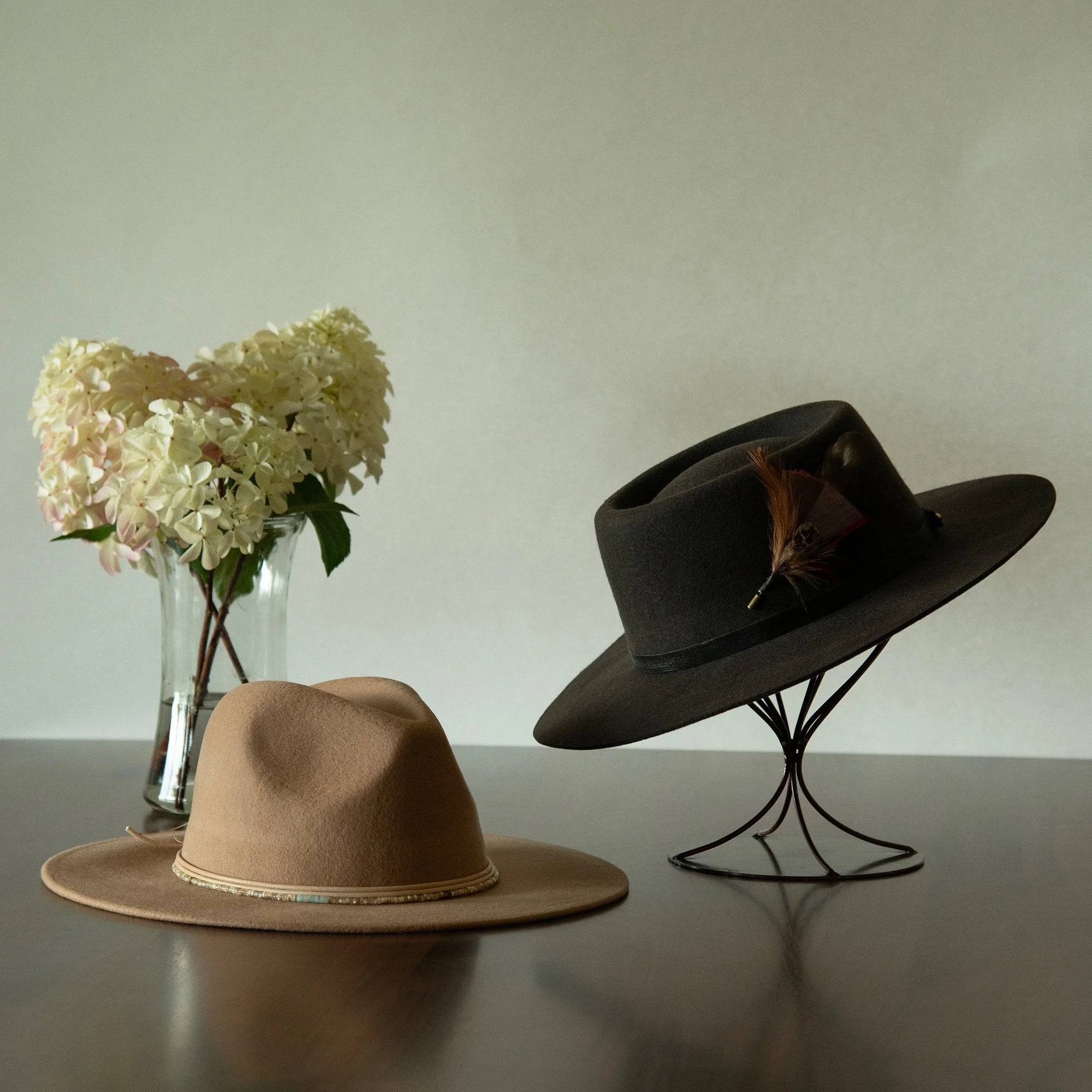
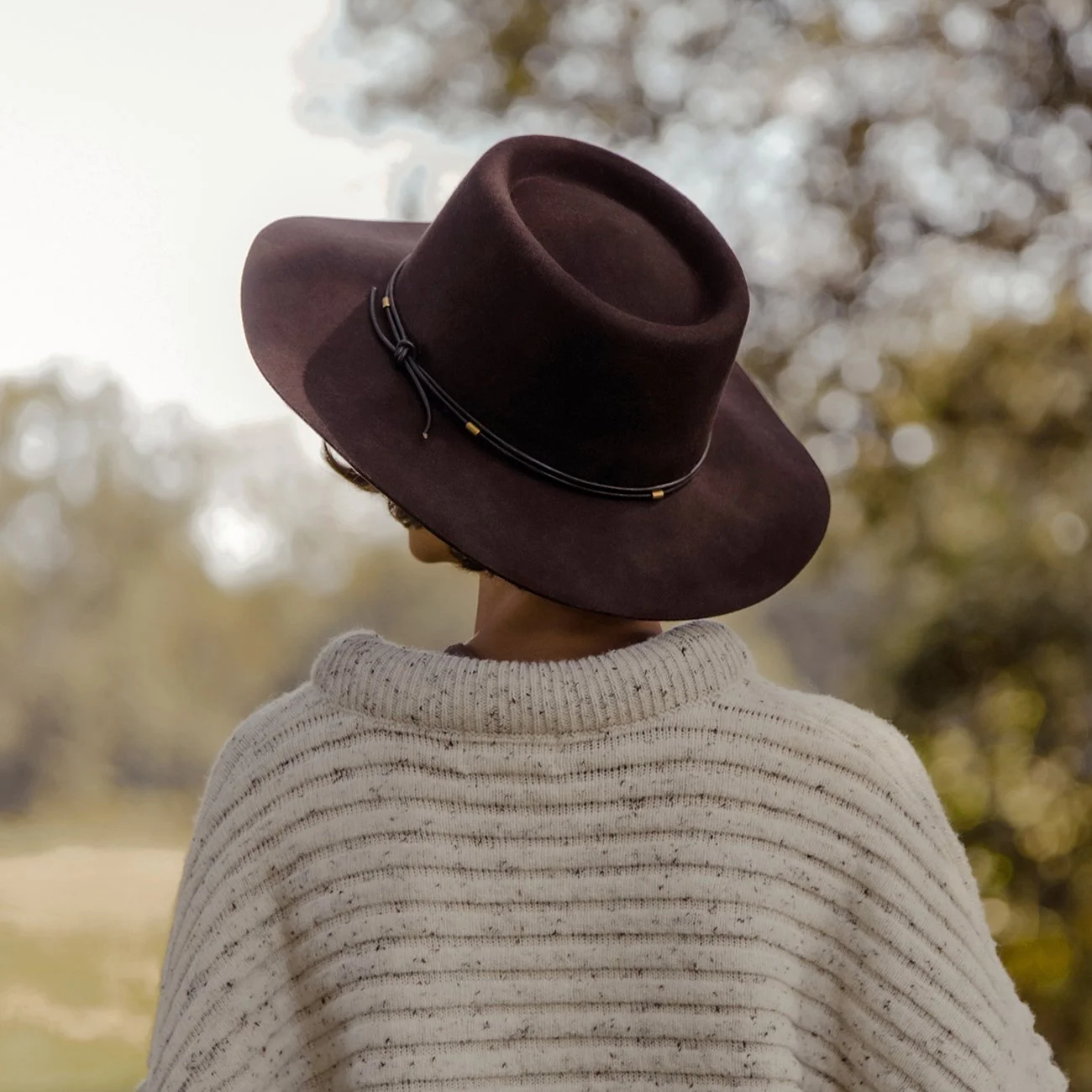
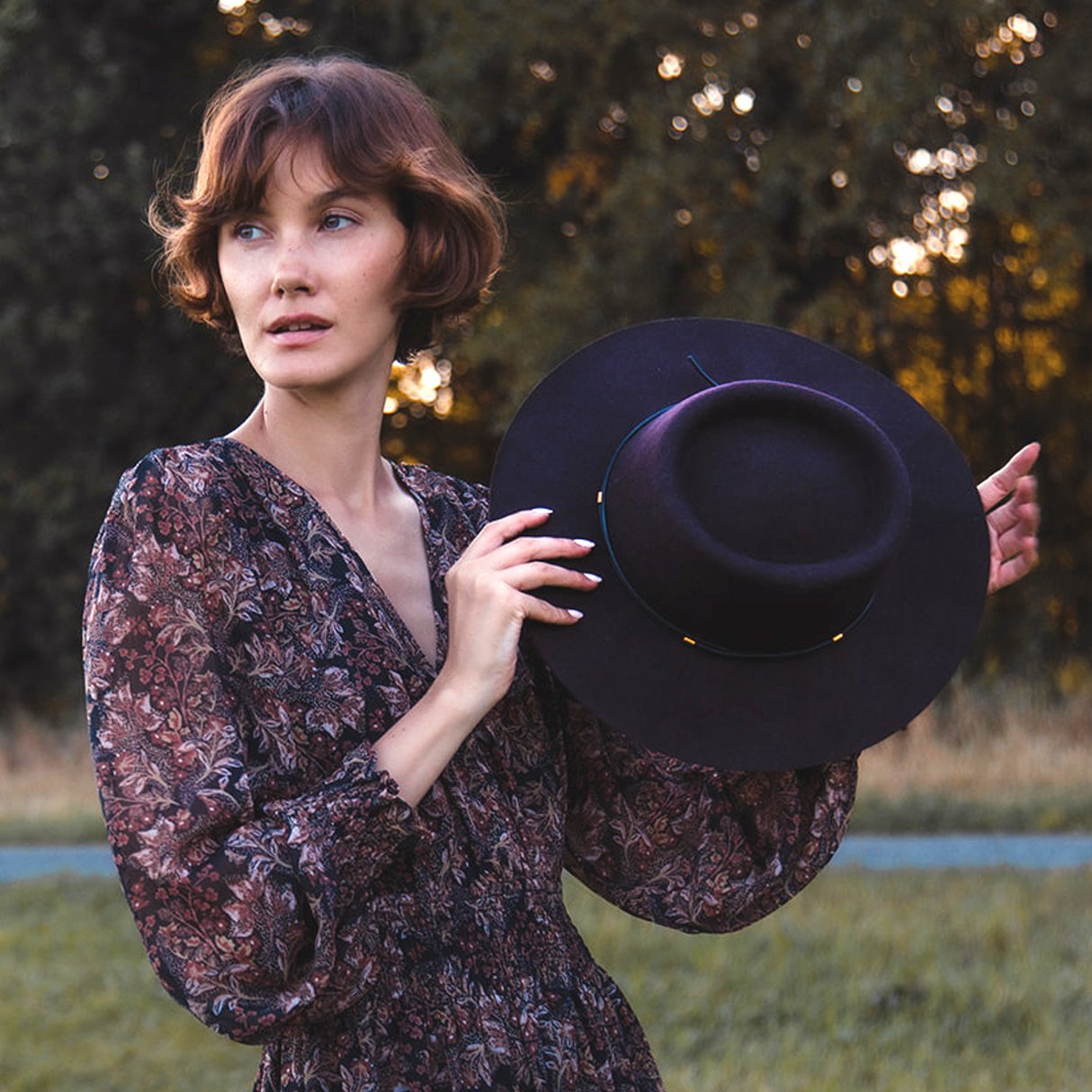
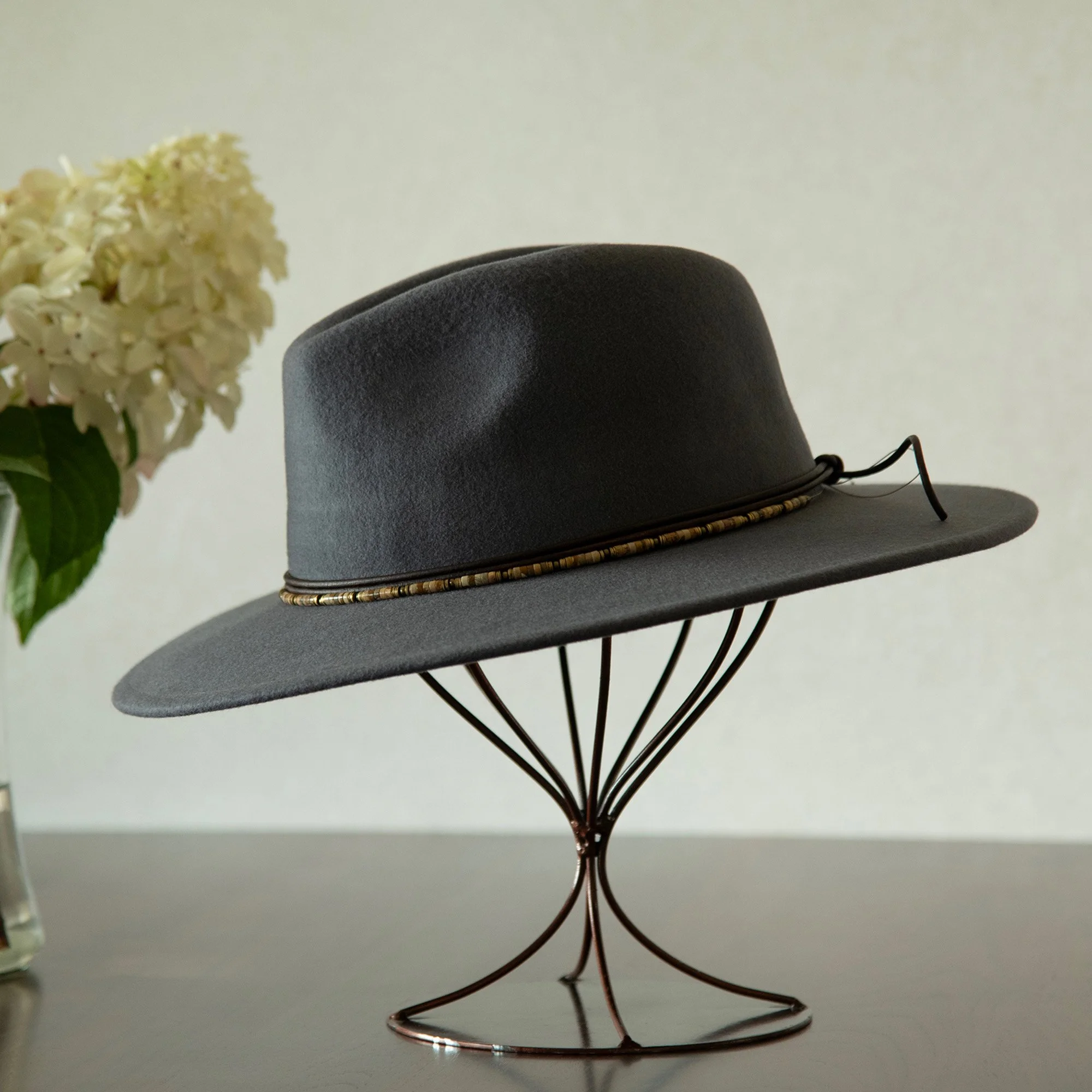
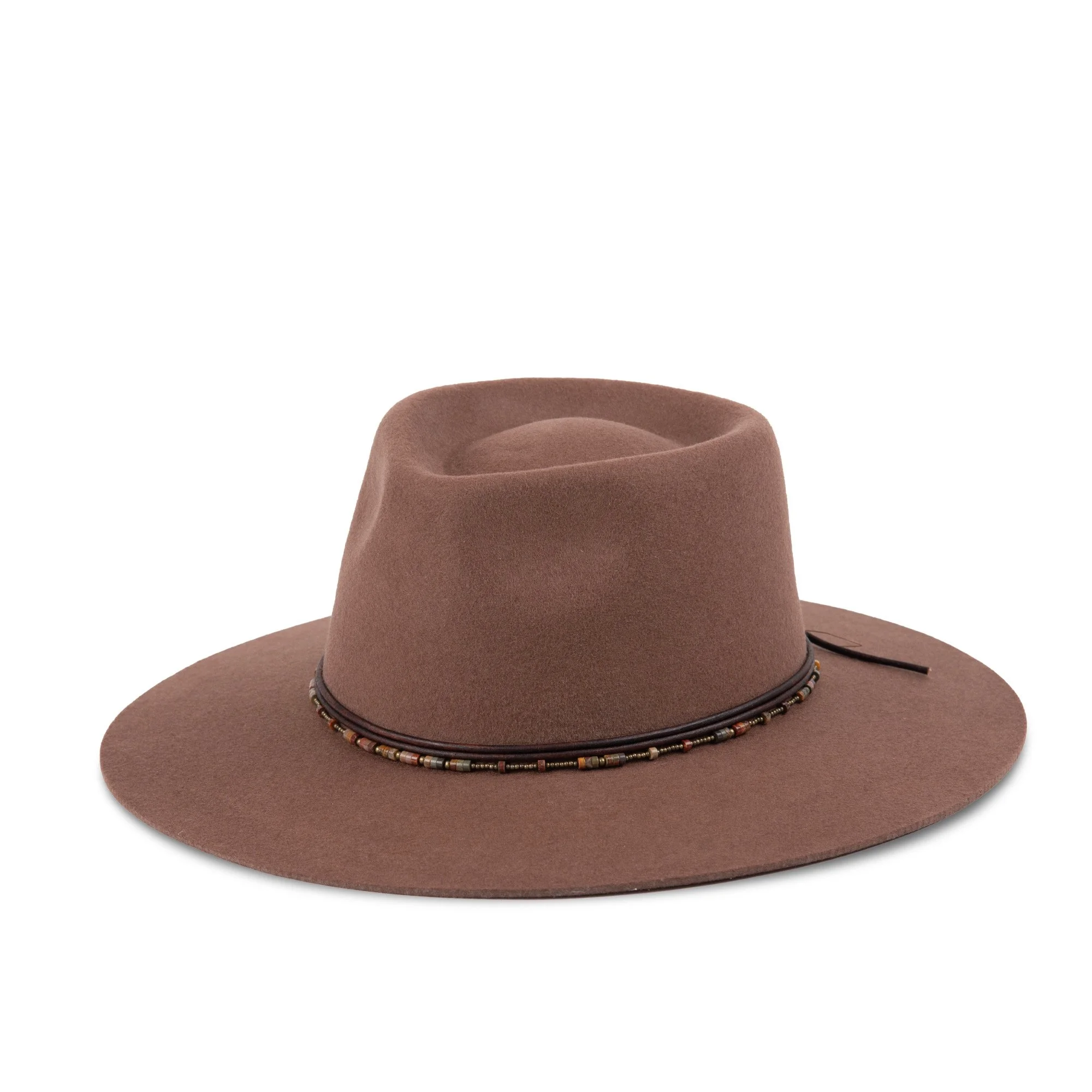
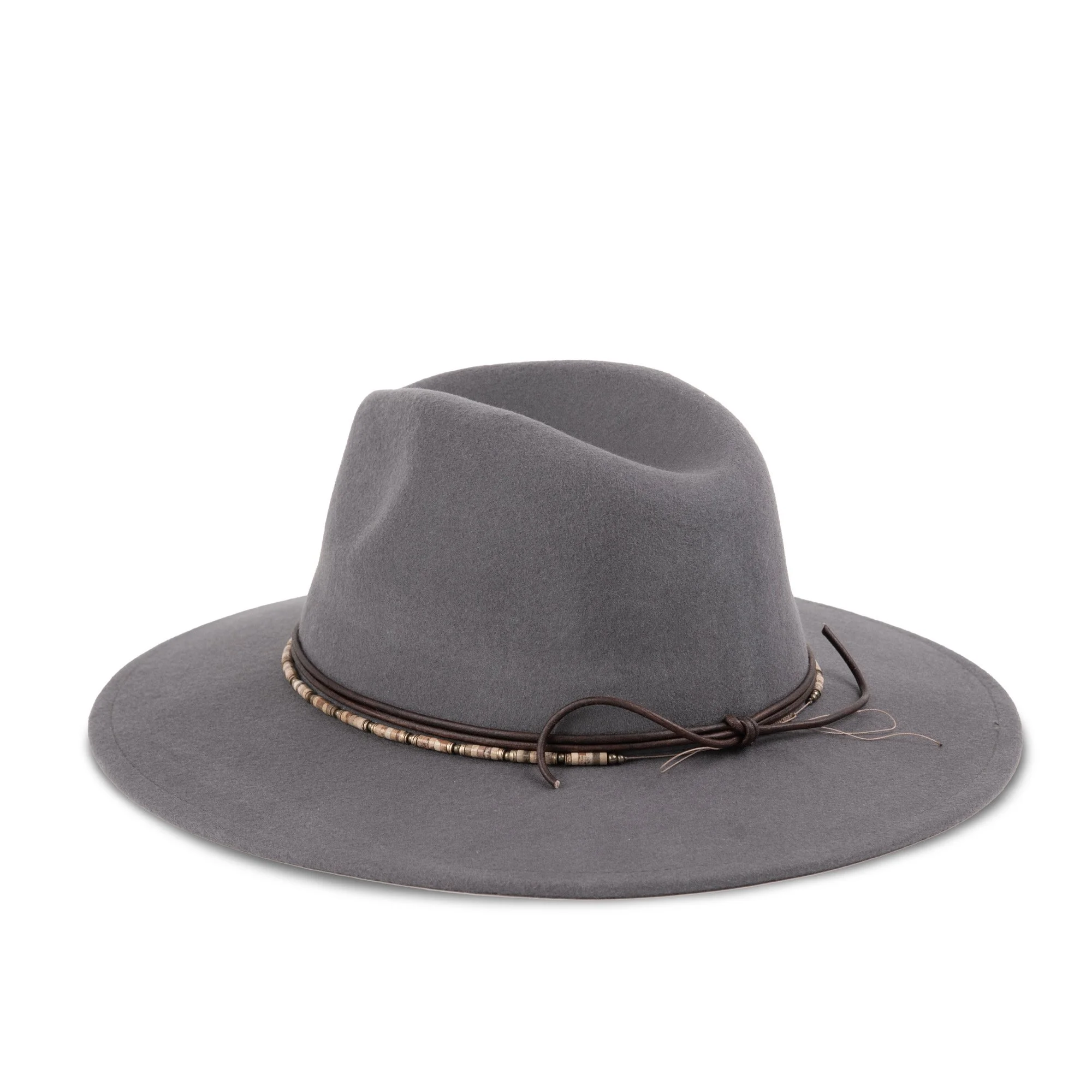
For my own collection, I try to keep things a little coastal cowboy. Not quite as hee-haw as Colorado, but more along the lines of what you’d wear on a Hudson Valley leaf-peeping dog walk.
I gravitate toward classic shapes, natural materials, and good colors. Ultimately, I want to make hats you’ll reach for season after season rather than something you wear once and throw in the trunk.
5. Mexico is part of the Assortment Studio story. Tell us about that connection.
What first brought you to Mexico, and what about the city’s culture, creative energy, or craftsmanship resonated with you? How has that connection influenced your work?
I mean, who doesn’t want to go to Mexico?
The straw bags started gaining traction at a time when I was struggling with my leather factory in India, and tariffs were becoming a major challenge. I knew I wanted to keep prices accessible for my retail customers, so I shifted my focus toward the spring/summer straw collection and leaned into Mexico.
The straw bags, especially in bright, unexpected colors, are happy, fun pieces that people often buy on impulse. They bring a little personality to an outfit without requiring a huge investment.
I’ve had a really positive experience working with the people I’ve met in Mexico, and it feels like the right place to continue growing the business. I’m excited to explore more of the craftsmanship and materials available there, and to see how those elements can shape future collections.
Mexico is still a relatively new part of my story, and the straw handbag collection came about by accident. I was on a girls’ trip to Isla Mujeres when I met a young guy working in a shop who told me his mom made all the bags they sold. I grabbed his business card and, about a week later, sent him a text to ask if she might be interested in making some bags for me.
I started with a few basic shapes and sent over mockups of the custom colors and sizes I wanted to explore. I crossed my fingers and hoped for the best! That first order turned into another, then a few new shapes and sizes. A couple of years later, our minimum order quantities keep growing and exceeding anything I imagined when I sent that first text.
6. How did you begin working with the artisans who bring your hats to life?
Tell us how those relationships began, what drew you to collaborating with them, and what you value about the knowledge and craftsmanship they bring to the process.
After my first collection, which I developed with a hat wholesaler, I decided to find my own factory so I could have more control over the design and quality.
I’d already had a great experience working with my straw handbag artisan group in Mexico, so I started asking around to see if anyone could recommend a hatmaker. A couple of Zoom meetings and a few rounds of approval samples later, I found a partner in León who now oversees the artisans who make our hat collection.
A lot of my factory sourcing happened when travel was still restricted because of the pandemic. Many of my relationships began with a face on a Zoom screen and have since grown into partnerships that are still evolving.
I really value the knowledge and experience my production partners bring to the table. I have my ideas and design perspective, but I rely on their expertise to help me understand what’s possible, work through issues, and make the best product we can that will work in our price point.
7. Take us behind the making of an Assortment Studio hat.
From your initial inspiration to the finished piece, what does the journey look like? We’d love to understand the materials, key stages of production, and details of the craftsmanship that make each hat special, without getting into proprietary techniques.
I start with a mood board and pull images that feel relevant to the season: colors, trim details, and new trends in shape. Hats that sold well the previous season move forward, while the ones that didn’t get cut.
I approach hat design much like handbag design. I pull together reference images of shapes I’d like to try, colors I want to match, and details I want to explore. Then I put everything into a PDF for my guy, and we talk through what’s possible and which materials are available.
Price is always part of the chat because I want to keep retail prices accessible. The materials we choose have to balance the look and quality I’m after with what makes sense for the customer.
Then comes sampling, which can be a little painful. There’s a lot of waiting and hoping. Sometimes everything looks great, and sometimes it doesn’t! Communication is what I value most during this stage. I don’t have the luxury of production trips like I did when I worked for larger companies, so a lot of development happens through WhatsApp messages and photos.
Once I’ve settled on and approved the samples, I have to make some tough decisions about quantities. I look at last year’s sales and try to forecast what we’ll need based on the events I’ve signed up for throughout the year. And then I cross my fingers that the shipment doesn’t get stuck in customs! I’m still waiting on a box that’s gone missing right now.
It’s definitely not a perfect system, but you have to start somewhere. I’m learning and refining the process as the business grows, and that’s part of this crazy adventure.
8. What do you hope someone appreciates when they hold or wear one of your hats?
Are there details, finishing touches, or aspects of the handmade process that might go unnoticed at first glance? What would you love customers to understand about the time, intention, and people behind each piece?
I hope people appreciate the craftsmanship and quality. Everything I design is made by a person who has their own life, goals, and struggles. I know that sounds obvious, but I really want customers to think about the time and effort that goes into the things they buy.
We’re a super-small team, so everything we make is thoughtfully considered, and we produce with the goal of selling out rather than creating excess inventory.
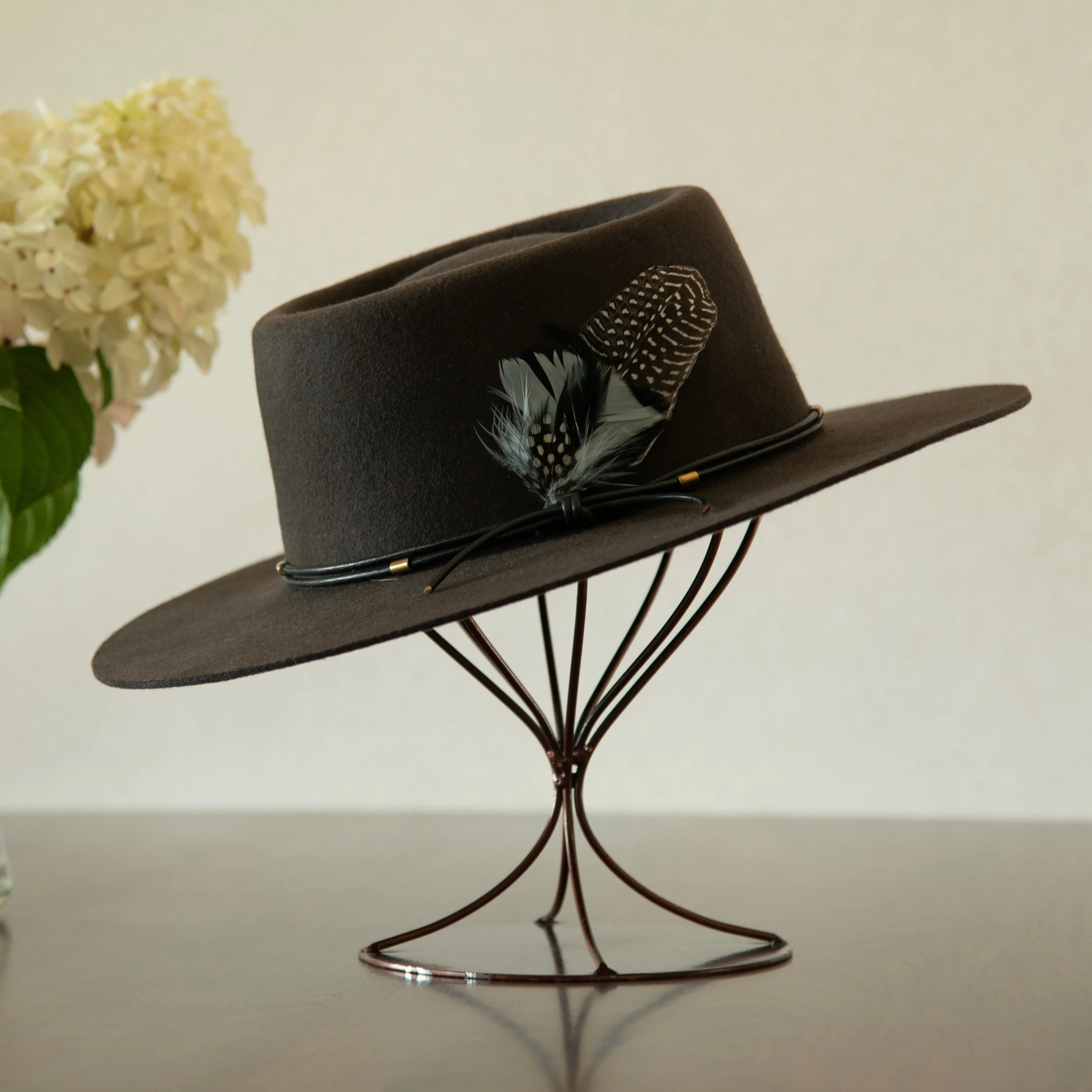
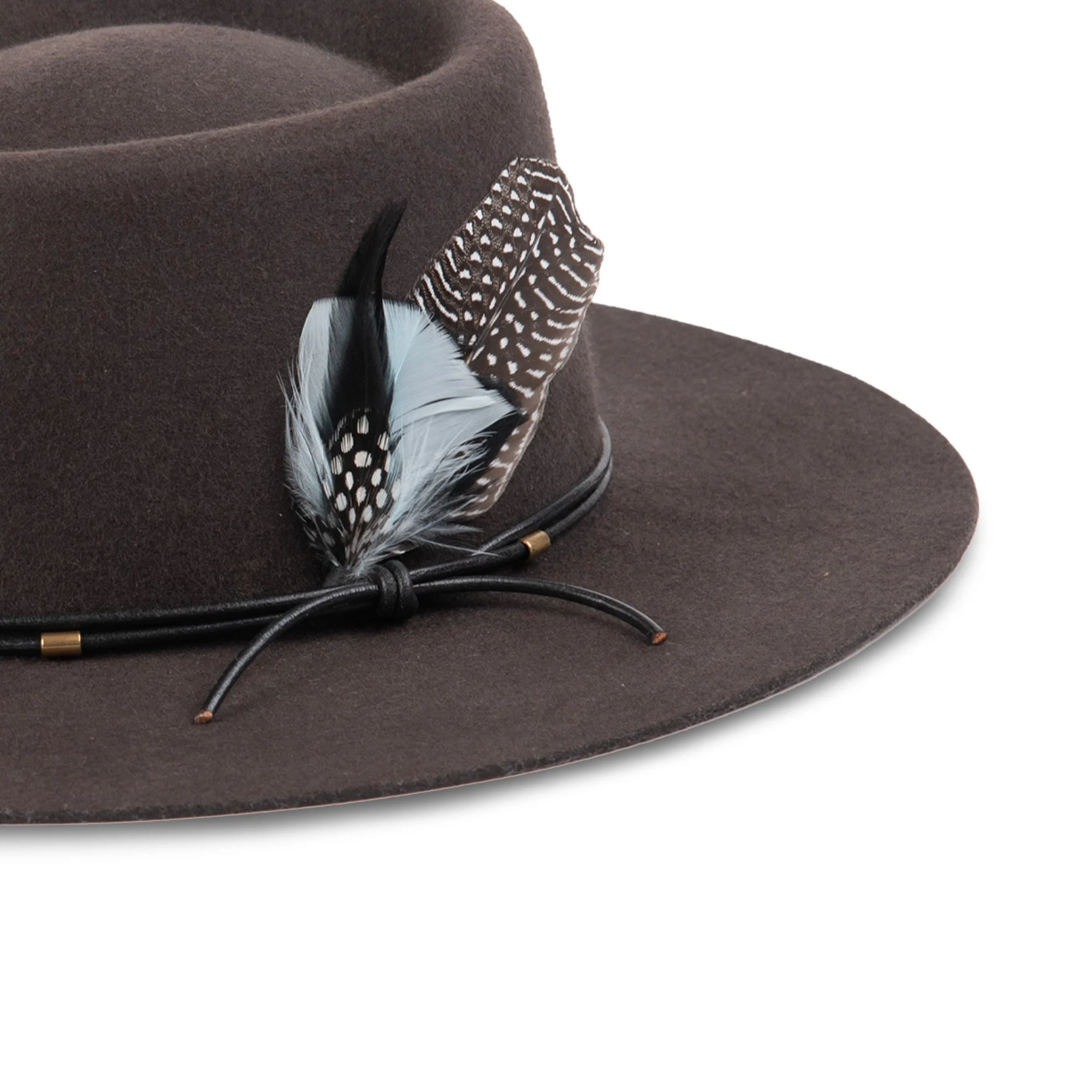
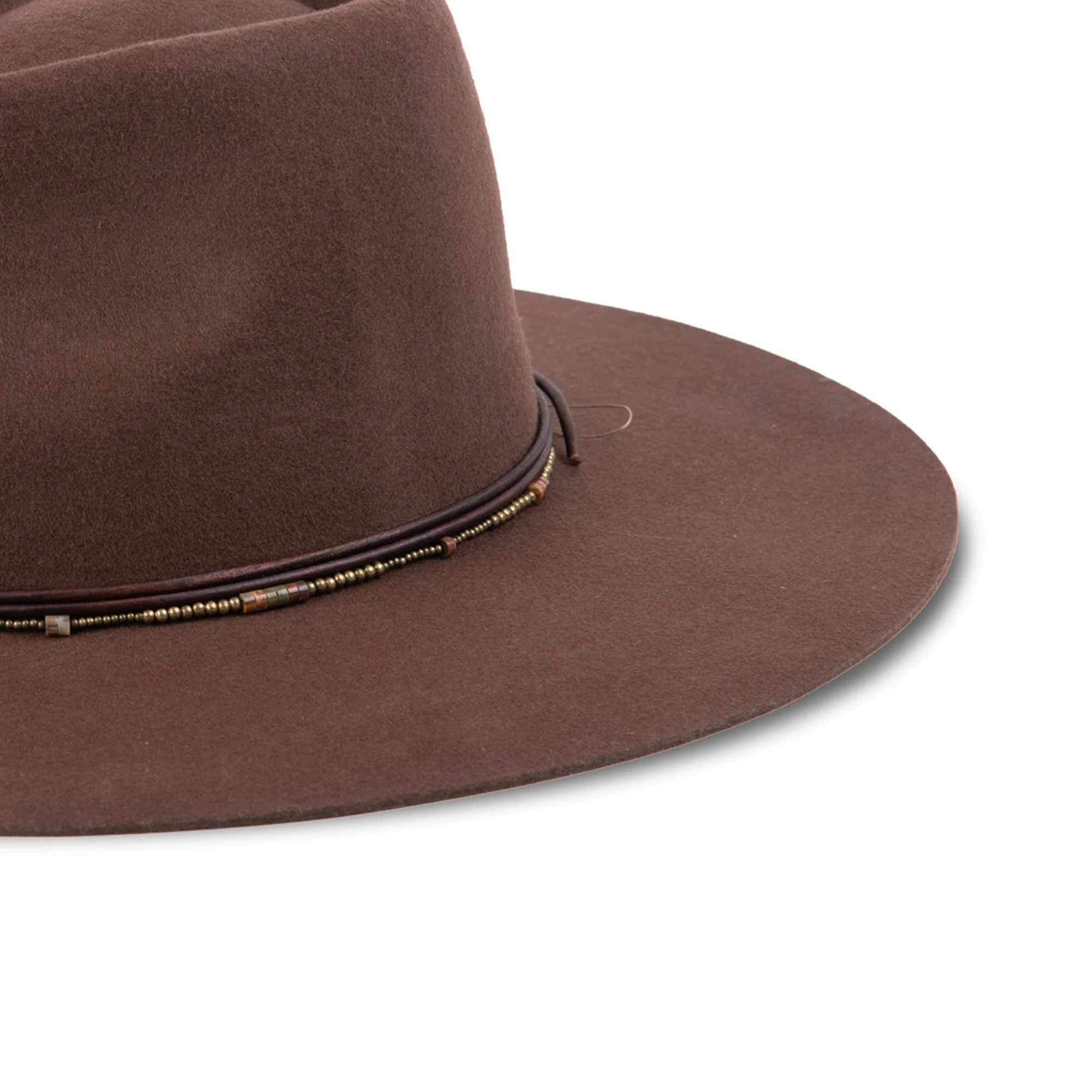
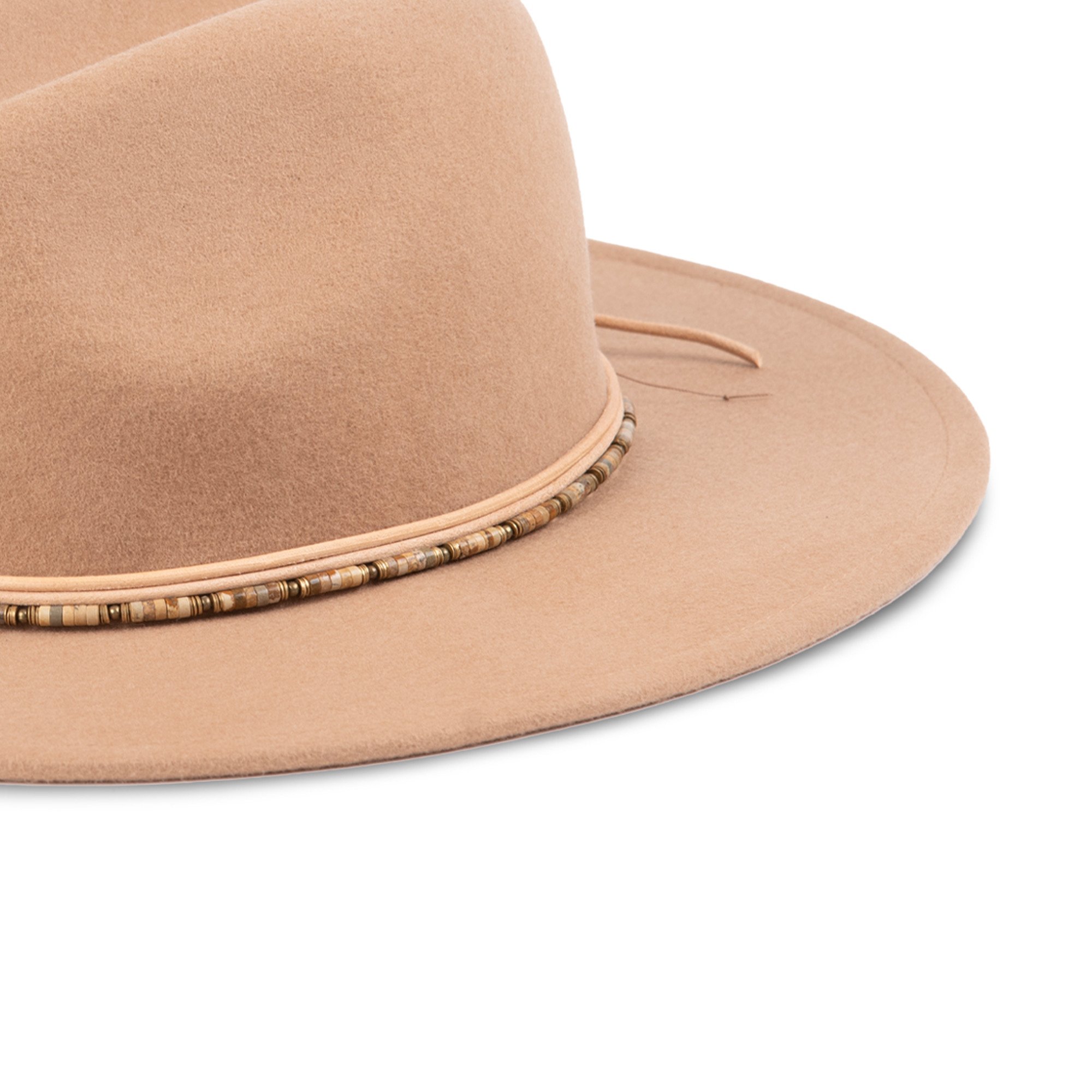
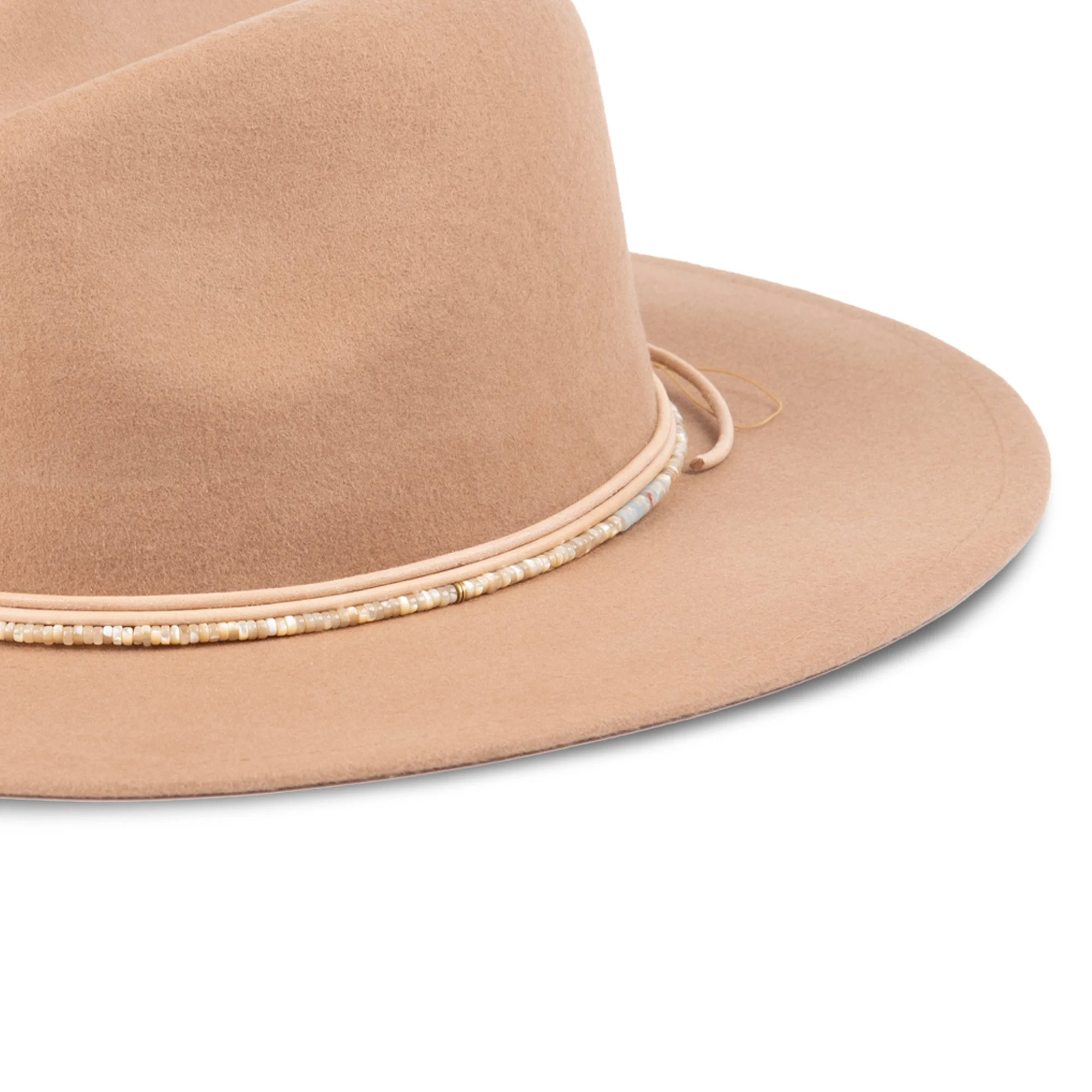
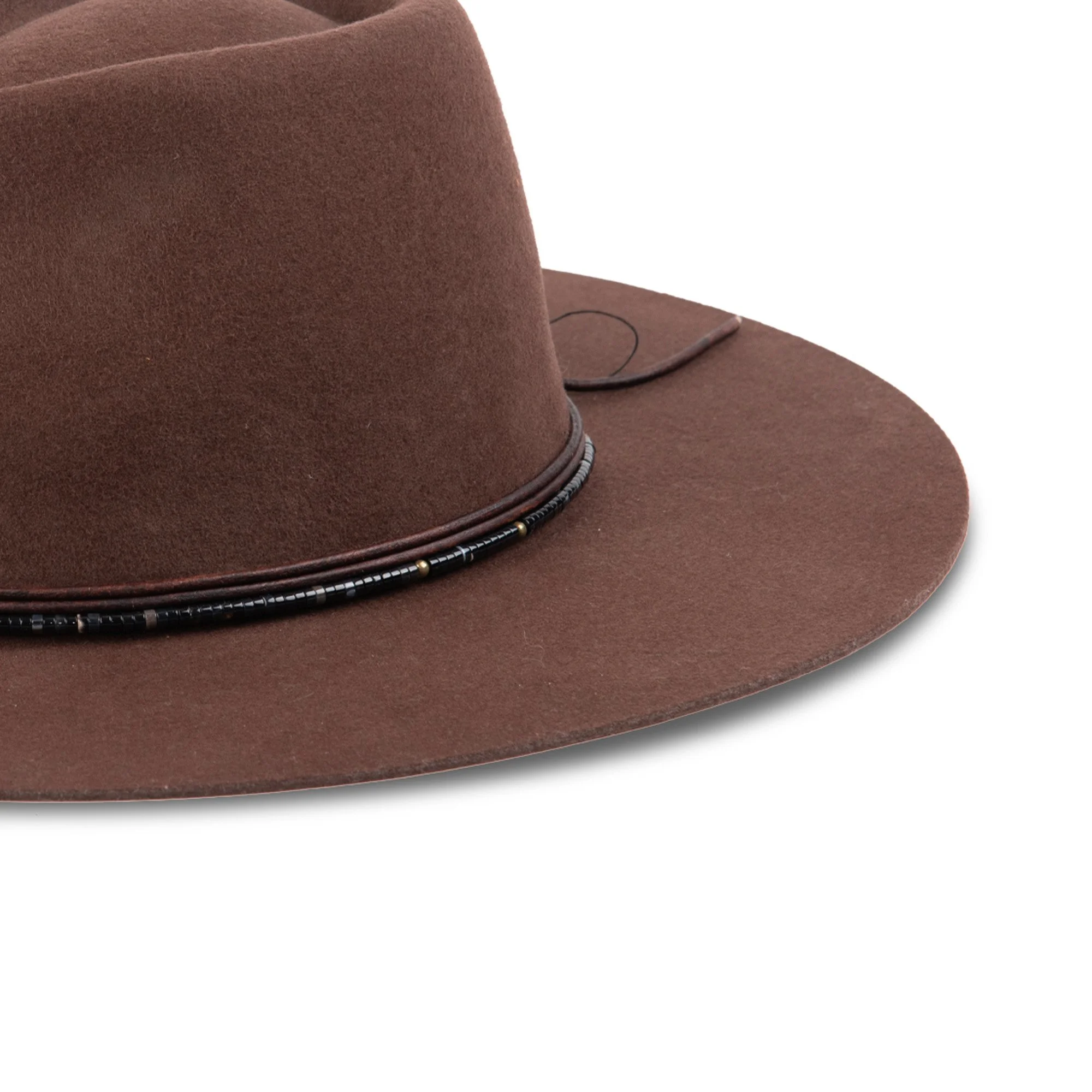
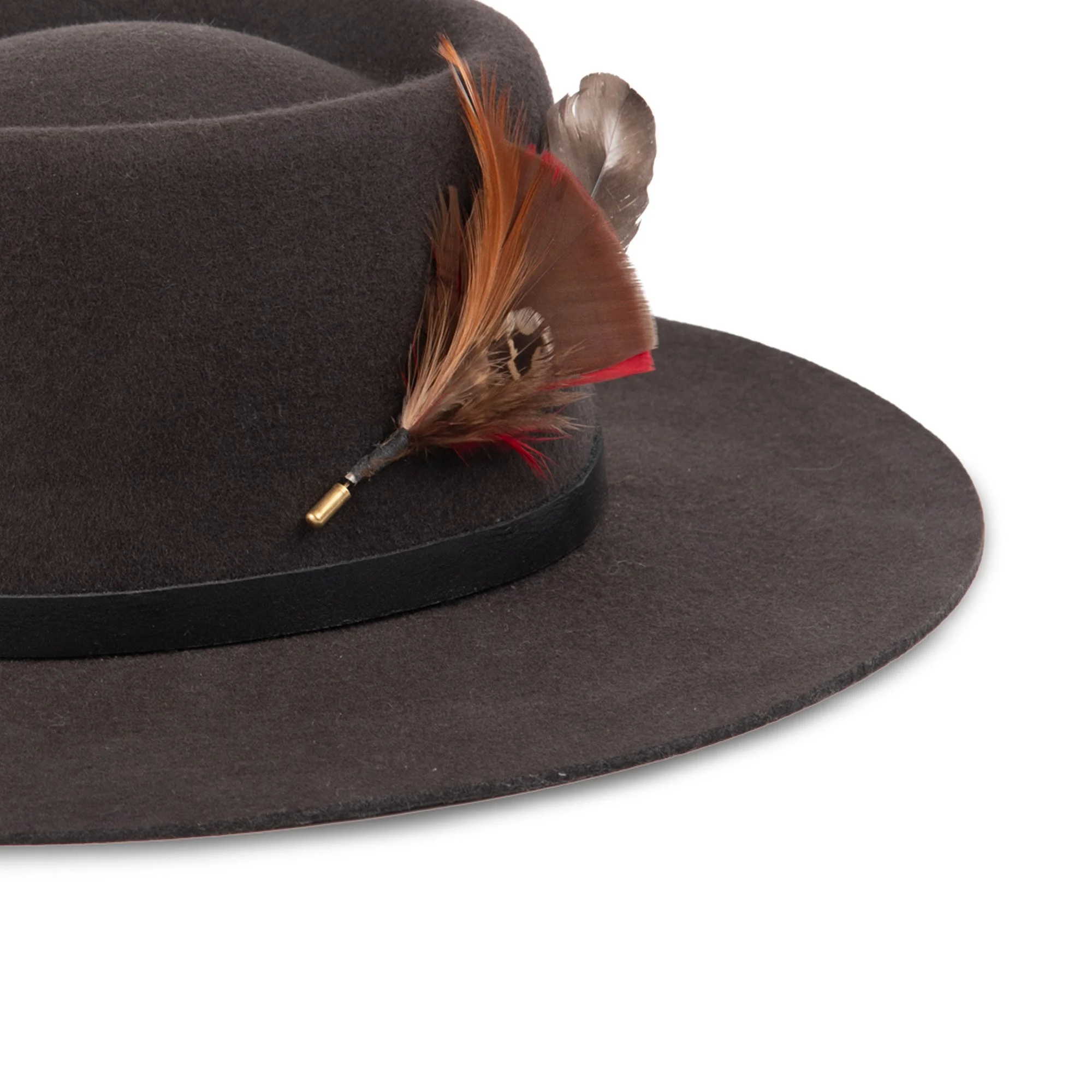
When the hats arrive, they still need their finishing touches. All the leather details, hatbands, and feather embellishments are made in-house.
For the current wool hat collection, I collaborated with my friend who recently started her own jewelry company, to create the natural stone beaded hatbands that we’ll sell at The Huntress in Pound Ridge.
The tagging, packing, and shipping are all handled by me or my husband. So if you email customer service, HI! It’s me.
There are a lot of hands-on details that happen behind the scenes, and I love those final touches.
BEYOND THE PRODUCT
9. What do you want people to understand about Assortment Studio beyond the hats themselves?
What values, ideas, or intentions are woven into the brand? How do you balance honoring craftsmanship with creating designs that feel contemporary, personal, and lasting?
I think the world needs more awareness of where our purchases come from and who makes them. We’ve become so accustomed to Amazon-style shopping, where you can order something instantly and return it just as easily, that it’s become harder for small brands to compete.
When you buy something from a small brand, especially something handmade, you’re supporting real people and the work they do. I hope customers see the value in that and appreciate the thought, time, and skill behind each piece.
What I’ve always loved about being a designer is working directly with the people who make the products. I love being able to ask questions of someone who knows far more about a particular process than I do, sit across a table, and work through a problem together. Understanding the possibilities and limitations is essential when you’re working with the people making your products. You learn when to push for something new and when an idea simply isn’t within their wheelhouse.
I try to combine my simple, minimal design style with traditional techniques that have been passed down through generations. These techniques are more than just beautiful ways of making things; they help sustain the livelihoods of the people who make them.
I hope handmade products, regardless of where they’re made, are seen as more than just objects. Someone has spent time, hours, and sometimes days creating that piece so they can earn a living and support their family. When you buy something handmade, I hope you appreciate the care that went into it and value it for what makes it special.
For me, that’s what Assortment Studio is about: thoughtful design, quality craftsmanship, and products made with intention that you’ll want to keep and use for years.
10. What has building Assortment Studio taught you about being a founder?
What has surprised you most about building your own brand? What advice would you give another woman who wants to turn a creative idea into a business?
The work never stops! I’ve always worked a lot but doing it for yourself comes with a level of satisfaction you just don’t get when you’re making money for someone else.
Building my own company has been the most challenging thing I’ve ever done. Some days it feels impossible, and other days I’m so damn grateful I had the balls to leave the corporate world.
I’ve always been shy and more comfortable behind the scenes. Presentations were never my jam, and starting a company that requires you to constantly put yourself and your work out there has probably been my biggest personal challenge. I’d much rather be drawing than posting on Instagram.
Opening my store, chatting with customers, and participating in in-person events have also been great ways to immerse myself in life up here in the Hudson Valley. The people I’ve met over the past four-plus years have been truly inspiring. The Hudson Valley is full of incredible, strong women founders who don’t even realize the influence they’ve had on me.
Advice for others thinking about starting a business of your own? You have to learn to wear a lot of hats, make decisions constantly, and figure things out as you go. Editor’s note: tag hat products throughout the article, and add a challenge, if you’re an entrepreneur buy an Assortment Studio hat and tag the brand to start showing up & owning the fact we wear a lot of hats!
So, be confident in your work. Your customers are out there, even if you haven’t found them yet. And what do you have to lose? If you never try, that’s the real failure.
And yes, it’s scary as hell. Health insurance is expensive, and there’s no company match on your 401(k). But being able to have more control over your own time and life is priceless. It’s not always easy, but there’s something rewarding about building something that’s entirely your own.
11. What is your WHY, and what’s next for Assortment Studio?
What keeps you committed to your vision, and what are you excited to explore next? Is there a new collection, creative direction, collaboration, or milestone you’re working toward?
I’m still on the hunt for the perfect mid-calf flat boot. I don’t think I can stop until I’ve created it. I have sketchbooks full of ideas, and hopefully, I’ll get to bring more of them to life.
I’m also hoping to start developing small collections of accessories and clothing for my store in Beacon, Local Assortment. I’d love to create a little lifestyle brand built around well-made essentials: sweaters, summer shorts and dresses, outerwear, and footwear.
Who knows how far I’ll be able to take it, but that’s always been the vision: well-priced, well-made products with good shapes. Things that feel special without being precious, that work in everyday life, and that people will want to wear and use for years.
I want to create things I believe in, work with people whose craftsmanship I admire, and build a business that reflects my own values. If I can continue doing that while making great products at prices people can feel good about, I’ll consider that a win.
Unboxing Assortment Studio hat!
A FINAL THOUGHT
Rebecca’s story is a reminder that building a brand doesn’t always begin with a grand plan. Sometimes, it starts with years of experience, a collection of ideas you’ve held onto, a product you can’t find anywhere else, or a simple conversation that leads somewhere unexpected.
What makes Assortment Studio special is the intention behind the details: the proportions of a hat, the feel of a material, the hands that bring a design to life, and the belief that good design should be something people can actually enjoy and afford.
And perhaps the most relatable part of Rebecca’s journey is her willingness to keep learning, experimenting, and figuring things out as she goes. After all, building something of your own means wearing a lot of hats, both literally and figuratively.
SHOP ASSORTMENT STUDIO
Discover the current Fall/Winter collection, including wool hats finished with natural-stone beaded hatbands, at The Huntress in Pound Ridge, New York, where Assortment Studio is part of a curated selection of independent designers and thoughtfully made pieces.
Follow Rebecca’s journey and explore more of her work at @assortment_studio and assortment-studio.com.
FoundHer Story is a Locals World series celebrating the people, ideas, and independent brands shaping the places we call home.